Guides
How to Reduce Missed Calls in Your Small Business (And Why It Matters)
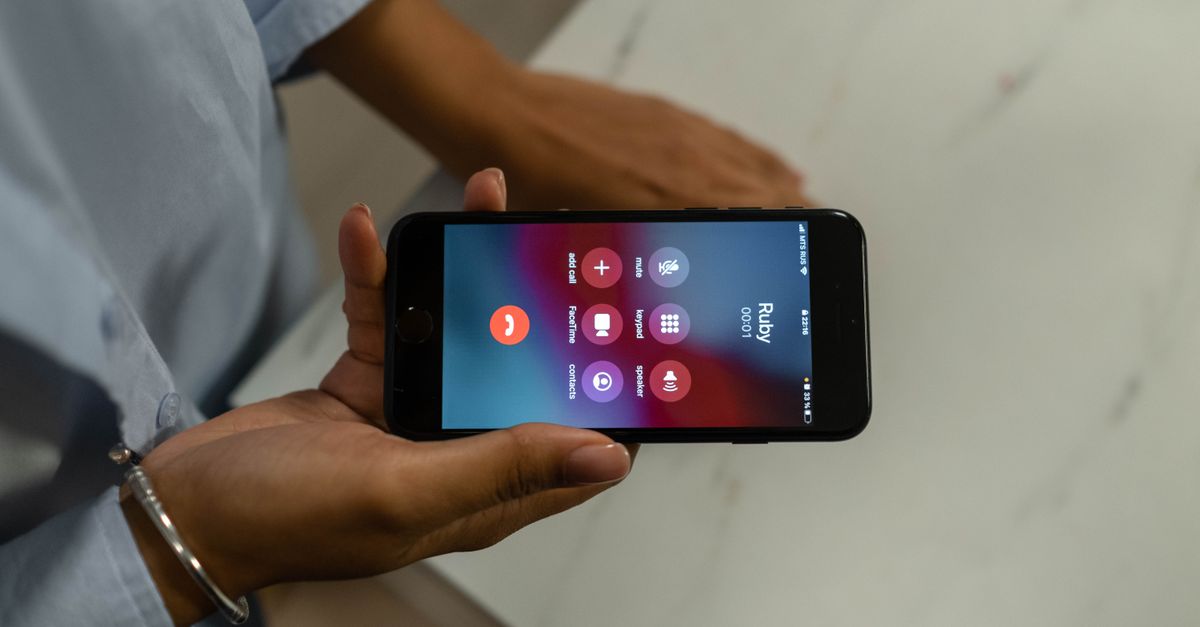
Every missed call is a customer you almost had. They were ready to book, buy, or ask — and because no one answered, most of them simply called a competitor. For a small business, reducing missed calls is one of the highest-return things you can fix. Here's how.
Why missed calls cost more than you think
A missed call isn't a neutral event — it's a lost opportunity that often goes straight to a competitor. Most callers who reach voicemail don't leave a message; they hang up and dial the next business. For appointment- and lead-driven businesses, a handful of missed calls a week can add up to serious lost revenue over a year. That's why this is worth solving properly, not patching.

When small businesses miss calls
- During busy periods — you're serving a customer and can't pick up.
- After hours and weekends — the office is closed but customers still call.
- When several call at once — one person can only answer one line.
- While traveling or on a job — common in trades and field work.
- At lunch and on breaks — gaps no single person can cover.
The common thread: a human can't be everywhere, every hour.
Practical ways to reduce missed calls
1. Forward calls so they never dead-end
Route overflow and after-hours calls somewhere they'll be answered instead of straight to voicemail.
2. Cut hold times
Long holds cause hang-ups. Answer faster and callers stay.
3. Offer a callback
If you truly can't answer live, an automatic callback beats voicemail — but answering live beats both.
4. Add an AI receptionist for everything you can't catch
This is the one that closes the gap completely. An AI receptionist answers every call instantly — during the rush, after hours, and when several come at once — and actually does something with them: books the appointment, captures the lead, or takes a message.

Why AI is the most reliable fix
The other tactics reduce missed calls; an AI receptionist effectively eliminates them. It never sleeps, never takes a break, and handles unlimited simultaneous calls, so 2am and the lunch rush are covered the same way. And because it books appointments and qualifies callers, it doesn't just answer — it converts. For the full picture of round-the-clock coverage, see 24/7 call answering.

A simple plan to stop missing calls this week
- Find your gaps — when are you actually missing calls? After hours? During the rush?
- Forward those calls to an AI receptionist so none dead-end in voicemail.
- Give the agent your info so it can answer questions and book customers.
- Review the call logs weekly to see what callers want — and how many you were missing before.
Frequently asked questions
How many calls do small businesses really miss? More than most owners realize — especially after hours and during busy periods. The only way to know your number is to track it, which a call log makes easy.
Isn't voicemail enough? No. Most callers don't leave one. Answering live — even with AI — captures the customers that voicemail loses.
What's the fastest fix? Forward your unanswered calls to an AI receptionist. It's live in minutes and covers every gap at once.
The bottom line
Missed calls are missed revenue, and they're entirely fixable. Close the gaps with smart forwarding and an AI receptionist that answers every call you can't — day, night, and all at once. Start a free trial or see pricing.